One of the most common questions language learners ask is: “How long does it take to learn French?”
The honest answer is that there is no universal timeline. Learning French depends on your starting point, your learning pace, your exposure to the language, and most importantly, your goals.
After all, learning French can mean very different things depending on the learner.
First of All, What Does It Mean to Learn French?
Before discussing timelines, it is important to define what learning French actually means.
For some learners, success means being able to order food at a restaurant, introduce themselves, or handle everyday situations with confidence. For others, it may mean working in French, studying at a Québec institution, or meeting the language requirements of an immigration program.
Learning French therefore goes beyond memorizing vocabulary or grammar rules. It involves developing the ability to understand, interact, and communicate effectively in different situations.
For this reason, the time required to “learn French” can vary considerably from one learner to another.
So, What Level Do You Need?
The answer depends largely on your objectives.
Understanding French Learning Levels
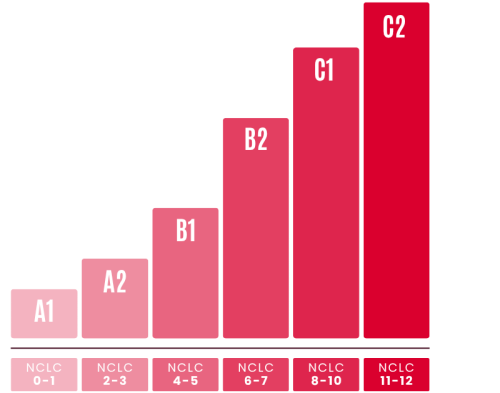
Most French courses follow the Common European Framework of Reference for Languages (CEFR), which divides language learning into six main levels:
- A1 (Beginner) – Basic everyday communication
- A2 (Elementary) – Routine interactions and familiar situations
- B1 (Intermediate) – Greater independence in daily life
- B2 (Upper Intermediate) – Confident communication in professional and academic contexts
- C1 (Advanced) – Effective communication in complex situations
- C2 (Proficient) – Near-native fluency and precision
These levels provide useful milestones for understanding progress and setting realistic learning goals.
According to Kelly Goudin, learners can generally function independently in many everyday situations at the B1 level. Tasks such as using public transportation, making appointments, shopping, or handling common day-to-day interactions become much easier at this stage.
However, professional and academic environments often require a higher level of proficiency.
Many learners view B2 (Upper Intermediate) as an important milestone because it often allows them to communicate confidently in workplace, academic, and social settings.
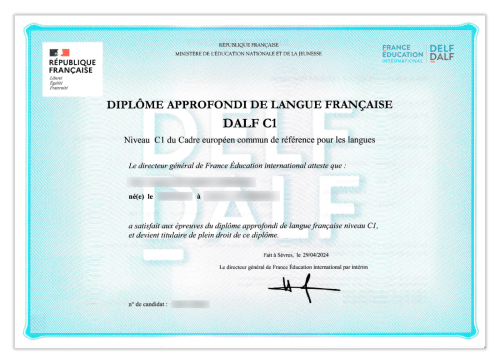
For certain university programs or highly specialized professions, advanced levels such as C1 may be required.
Want to learn more about French proficiency levels and how they relate to Québec and Canadian language benchmarks? Explore our complete guide to French levels:
A Typical Learning Journey: From A1 to B2
At the Alliance Française de Montréal, adult French courses are divided into sub-levels, each consisting of 28 hours of instruction.
A learner starting from scratch typically progresses through:
| Level | Sub-levels | Total Hours |
|---|---|---|
| A1 | 3 | 84h |
| A2 | 4 | 112h |
| B1 | 5 | 140h |
| B2 | 5 | 140h |
Total: 476 hours of instruction
This total is broadly aligned with the learning-our estimates commonly associated with progression through the Common European Framework of Reference for Languages (CEFR), which generally places learners around the B2 level after approximately 480 to 620 cumulative hours of guided learning and practice.
Want to learn more about how French proficiency levels are structured and how they relate to learning-hour estimates? Explore our complete guide to French levels.
For many learners, reaching B2 represents a realistic and meaningful objective, particularly for work, immigration, and long-term integration in Québec.
How Long Does It Take to Reach B2?
The answer depends largely on your learning pace.
At the Alliance Française de Montréal, each sub-level consists of 28 hours of instruction, but those hours can be completed at different rhythms depending on the course format.
For example, a learner completing A1 and A2 through intensive courses may progress through seven sub-levels in just a few months. The same journey completed through regular courses may take closer to a year.
| Learning Pace | Approximate Time to Complete A1 + A2 |
|---|---|
| Intensive | About 14 weeks (3–4 months) |
| Regular | Approximately 10–12 months |
Both paths lead to the same learning objectives. The difference lies in the pace, availability, and amount of time dedicated to French each week.
If you would like to better understand the differences between regular, accelerated, and intensive courses, explore our guide: Intensive vs. Regular French Courses: Which One Should You Choose?
What Factors Influence Your Progress?
Both paths lead to the same learning objectives. The difference lies in the pace, availability, and amount of time dedicated to French each week.
If you would like to better understand the differences between regular, accelerated, and intensive courses, explore our guide: Intensive vs. Regular French Courses: Which One Should You Choose?
- consistency
- attendance
- independent study
- motivation
- exposure to French outside the classroom
- opportunities to practice speaking
The number of classroom hours completed is only part of the equation. Learners who regularly engage with French outside of class often develop confidence and fluency more quickly than those who rely exclusively on classroom instruction.
Why Montréal Can Accelerate Your Learning
One advantage of learning French in Montréal is the opportunity to practice outside the classroom. French is present in daily life, at work, in cultural activities, on public transportation, and throughout many social interactions. This regular exposure helps many learners reinforce classroom learning and develop greater confidence in real-life situations.
Learning French for Work, Studies, or Immigration
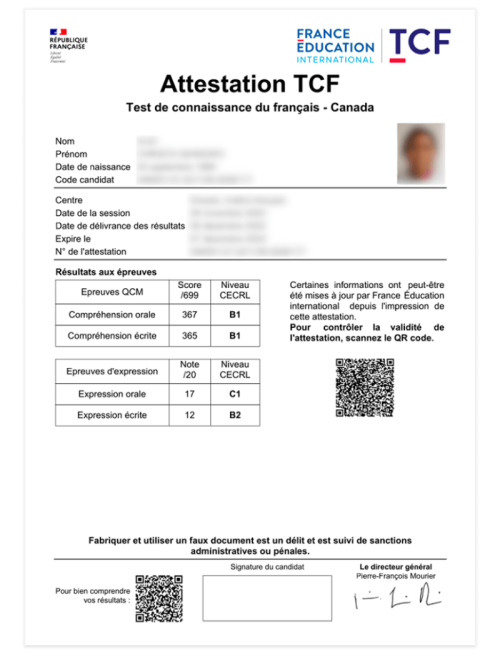
Goals matter! A learner preparing for university studies may require a different level of proficiency than someone seeking greater confidence in everyday conversations. Likewise, individuals preparing for professional opportunities or immigration pathways often work toward specific language benchmarks or examination results.
Having a clear objective can help maintain motivation and structure the learning process.
So, How Long Does It Really Take?
There is no single answer. Some learners reach their goals within a few months, while others choose a longer and more gradual path.
Success depends on several factors:
- your starting level
- your learning pace
- your consistency
- your exposure to French
- your motivation and objectives
Ultimately, the most important question is not how long French takes to learn, but what you want to achieve with the language.
Ready to Start Learning French?
Whether your goal is everyday communication, professional development, academic studies, or immigration, choosing the right learning path can make a significant difference.
Explore our French courses and discover the learning pace that best matches your goals, schedule, and learning journey: