
Learning French is not only about choosing the right level — it is also about choosing the right learning pace.
When comparing intensive vs regular French courses, the question is not necessarily which option is better, but which one is better suited to your goals, schedule, and learning style.
Some learners prefer a gradual progression that allows them to balance French studies with work, family, or other commitments. Others may be looking for a more immersive experience that helps them progress more quickly toward a specific objective.
Whether you are learning French for professional reasons, studies, immigration, or personal enrichment, understanding the differences between intensive and regular French courses can help you choose the pace that best matches your needs.
Intensive vs Regular French Courses: What's the Difference?
When choosing a French course, many learners assume that an intensive course covers more content than a regular course. In reality, the main difference is not what you learn, but how quickly you progress through the material.
At the Alliance Française de Montréal, each sub-level consists of 28 hours of instruction and follows the same learning objectives, regardless of the pace you choose. Whether you enroll in a regular, accelerated, or intensive course, you will cover the same content and work toward the same learning outcomes.
The only difference is the amount of time dedicated to learning each week and the overall duration of the course.
Regular courses distribute learning over a longer period, giving students more time between classes to review concepts and practice independently.
Intensive courses, on the other hand, concentrate the same number of hours into a shorter time frame, creating a more immersive learning experience. For learners looking for a middle ground, accelerated courses offer an alternative format during the summer months.

In addition to the learning pace, course schedules also vary. Regular and accelerated courses are generally offered in the evening, while intensive courses are typically available in the morning.
Regular Courses: Who Are They Best For?
Regular French courses are often the preferred option for learners who want to balance language studies with work, academic commitments, or family life.
Because instruction is spread over several weeks, students have more time to review concepts, complete assignments, and practice French between classes. This gradual pace can be particularly helpful for learners who prefer to absorb new material step by step.
These courses are typically offered in the evening, making them an ideal option for learners who are busy during the day on weekdays. Depending on the session, some groups meet on Saturdays, while others follow an evening schedule, such as Mondays and Wednesdays or Tuesdays and Thursdays.
For Saturday courses, part of the learning experience includes guided online activities completed through the Apolearn platform. These activities are integrated into the course structure and contribute to the total 28 hours of instruction.
Spreading a sub-level over several weeks also allows learners to consolidate what they have learned before moving on to new material. For many students, this steady rhythm supports long-term retention and confidence.
Regular courses may be a good fit if you:
- work or study full-time
- prefer a gradual learning pace
- want more time to review and practice between classes
- are looking for a flexible option that fits into a busy schedule
Intensive Courses: Who Are They Best For?

Intensive French courses are designed for learners who want to progress more quickly and can dedicate more time to French each week.
Intensive courses are typically offered in the morning, from Monday to Thursday, making them a popular option for learners who can dedicate a significant portion of their daytime schedule to French.
In addition to classroom instruction, students complete mandatory learning activities through Apolearn, the Alliance Française de Montréal’s online learning platform. The increased frequency of classes and independent learning activities helps learners maintain momentum and remain actively engaged with the language throughout the session.
Because a large amount of content is covered in just two weeks, learners must be prepared to review concepts regularly and complete the required independent learning activities between classes.
For this reason, intensive courses are often most successful for students who are organized, self-motivated, and able to maintain a consistent study routine outside the classroom.

While intensive learning can shorten the time required to complete a level, it is not necessarily the best choice for every learner.
The most effective pace is often the one that can be maintained consistently. Intensive courses may be a good fit if you:
- want to progress through the levels more quickly
- are preparing for studies, work, or a personal project
- enjoy immersive learning environments
- have the availability to dedicate several days per week to French
Accelerated Courses: A Summer Alternative
Accelerated courses offer a middle ground between regular and intensive paces for learners seeking both flexibility and faster progression.
Typically offered during the summer months of July and August, they allow students to complete the same 28 hours of instruction over approximately four weeks.
Like intensive courses, accelerated courses also include mandatory activities completed through Apolearn. These online learning components form part of the overall learning experience and contribute to the completion of the sub-level.
As each sub-level is completed in four weeks, students may have the opportunity to complete two sub-levels over the course of a summer session, depending on course availability and scheduling.
Many learners find accelerated courses to be an effective compromise between the gradual rhythm of regular courses and the commitment required by an intensive schedule.

Comparing French Learning Paces
| Feature | Regular Pace | Accelerated Pace | Intensive Pace |
|---|---|---|---|
| Duration | 6–7 weeks | 4 weeks | 2 weeks |
| Total Instruction Hours | 28 hours | 28 hours | 28 hours |
| Typical Schedule | Evenings | Evenings | Mornings (Monday–Thursday) |
| Apolearn Activities | Saturday courses only | Mandatory | Mandatory |
| Learning Pace | Gradual | Balanced | Fast |
| Independent Learning | Moderate | Moderate | Significant |
| Best For | Busy schedules | Summer learners | Rapid progression |
| Learning Objectives | Same | Same | Same |
Which Learning Pace Is Right for You?
When choosing between a regular, accelerated, or intensive course, it can be helpful to think about more than just speed.
Consider your schedule, your learning habits, and the amount of time you can realistically dedicate to French outside the classroom.
A learner who progresses more gradually may sometimes develop a stronger foundation than someone who moves through the same material very quickly. What matters most is choosing a pace that allows you to learn consistently.
| Learning Pace | Best For |
|---|---|
| Regular | Learners with busy schedules, those who prefer a gradual pace, and students who want more time between classes to review and practice independently. |
| Accelerated | Learners looking for a balance between flexibility and faster progression, particularly during the summer months. |
| Intensive | Learners with specific goals, greater availability, or a desire to progress through the levels more quickly. |
Ultimately, there is no universally “best” pace. The right choice is the one that matches your goals, availability, and preferred way of learning.
Ready to Start Learning French?
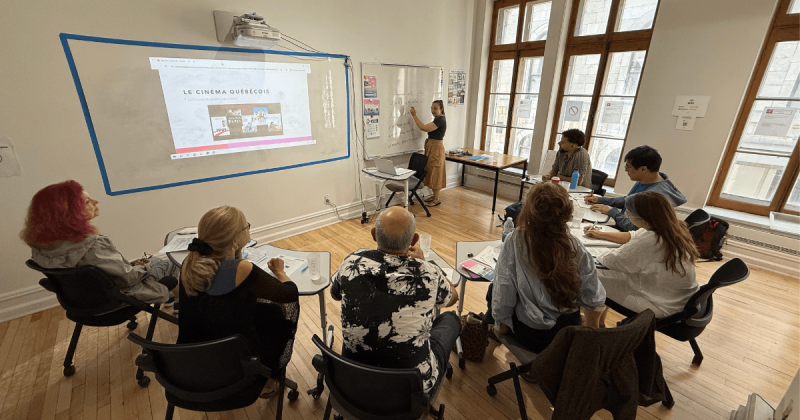
Regular, accelerated, or intensive: each learning pace offers a different path toward the same learning objectives.
Explore our upcoming French course sessions and find the option that best matches your learning journey!
